The skin of the ear is also very sensitive causing extreme pain because ear is innervated by a rich nerve supply.
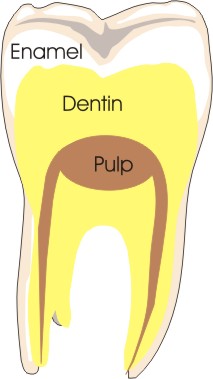
Tooth Decay: Dental Caries
A tooth cavity is the gradual breakdown of the tooth structure due to microbial growth. Erosion of the outer lining of the tooth (enamel) is followed by the destruction of the inner layer (dentin). A tooth cavity occurs as a result of a combination of factors, food particles get trapped on and between the teeth after eating and along with mucus, dead epithelial cells (from the mouth lining) and bacteria, a thin soft film, known as plaque coats the teeth. This provides the ideal medium for oral bacteria to feed upon food debris. Bacteria like streptococci and related groups, break down food particles and produce lactic acid as a byproduct. It is this lactic acid that is responsible for eroding tooth enamel and causing tooth cavities. Left untreated, the lactic acid will continue to erode the enamel and dentin and cause irritation of the nerve which is experienced as a toothache.
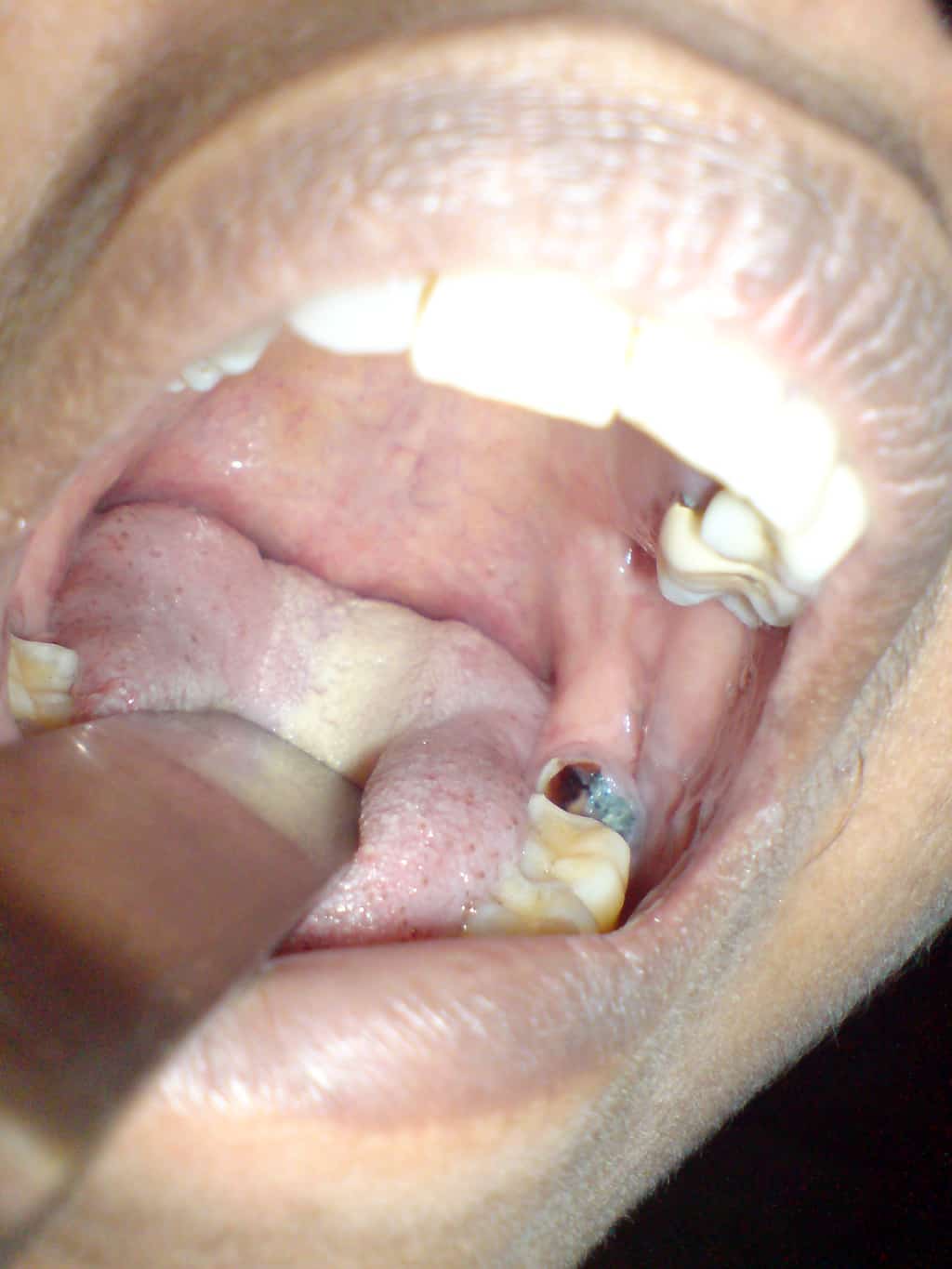
Diagnosis can be made simply by a using a dental probe to detect sensitivity at affected areas. A dental X-ray will provide further information on the severity of the cavity as well as any other considerations before commencing treatment.
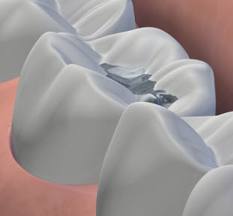
Treatment: The area is filled with a restorative composite material (filling) and in severe cases, removal of the affected tooth may be necessary (extraction).
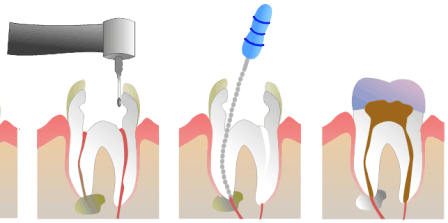
RCT: Root Canal Treatment
Remember:
Proper dental hygiene and regular visits to your dentist (at least twice a year) can save you lot of discomfort. Regular consultations with your dentist are essential to maintain good dental health.